When water, fire, or mold damage affects a property in Los Angeles, immediate action is critical for minimizing long-term impacts and safeguarding health and safety. The emergency restoration process is a distinct, highly specialized sequence of assessment, mitigation, remediation, and reconstruction, designed to stabilize and restore homes, apartments, or common areas as efficiently as possible. As the leading expert in the region, Sound Property Maintenance offers an end-to-end in-house solution trusted by HOAs, property managers, and homeowners for urgent and complex restoration projects.
What Is Emergency Restoration?
Emergency restoration is the rapid response to property damage caused by sudden incidents such as water leaks, fires, or mold growth. The goal is to halt damage progression, reduce health risks, and return the property to a habitable state. This approach differs from standard repairs in several important ways:
- It is time-sensitive, prioritizing containment and safety.
- Requires documentation for insurance and legal compliance.
- Involves highly trained personnel and specialized equipment (such as structural drying, smoke removal, and mold containment rigs).
Step-by-Step Framework: What to Do After Water, Fire, or Mold Damage
1. Ensure Immediate Safety
- Evacuate anyone in danger. For fire, smoke, or structural collapse, call 911 immediately.
- Do not re-enter until authorities confirm it is safe.
2. Secure the Property and Shut Off Utilities If Safe
- Turn off the main water valve for leaks or floods, but only if you can access it safely.
- If near water or fire, leave electrical and gas systems alone unless guided by professionals or emergency services.
3. Document Damage
- Take clear, comprehensive photos and videos of every affected area, including wide shots and close-ups. This visual evidence is crucial for insurance, HOA reports, and restoration planning.
4. Contact a Professional Restoration Contractor
Rapid response from an experienced firm like Sound Property Maintenance can make the difference between a targeted repair and widespread reconstruction. Our team coordinates emergency mitigation and provides assessments accepted by insurance companies.
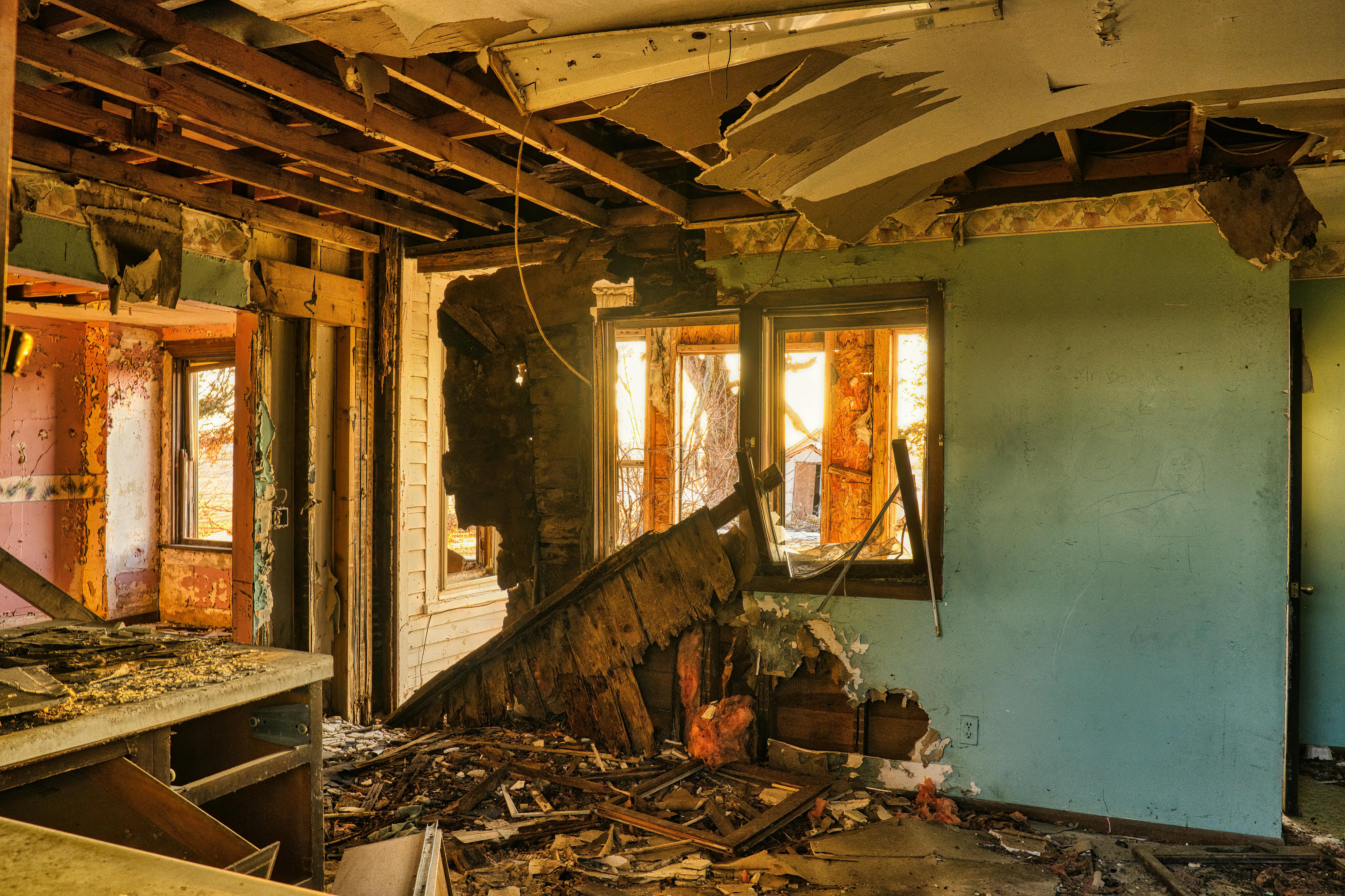
Specific Actions for Each Type of Damage
Water Damage
- Shut off water source if possible.
- Protect valuables and avoid areas with bulging ceilings, sagging floors, or electrical hazards.
- Request non-destructive leak detection, water extraction, and drying from your restoration contractor.
- Speed is vital: damp areas can develop mold in 24-48 hours. Delayed action can affect insurance coverage and worsen damage.
Professional Water Damage Process
- Inspection with moisture mapping tools.
- Extraction of standing water using industrial pumps.
- Structural drying with commercial air movers and dehumidifiers.
- Sanitization of affected areas. Unsalvageable materials such as soaked drywall or carpet may need removal.
- Reconstruction including drywall, painting, and finish carpentry when handled by a single-source partner like Sound Property Maintenance.

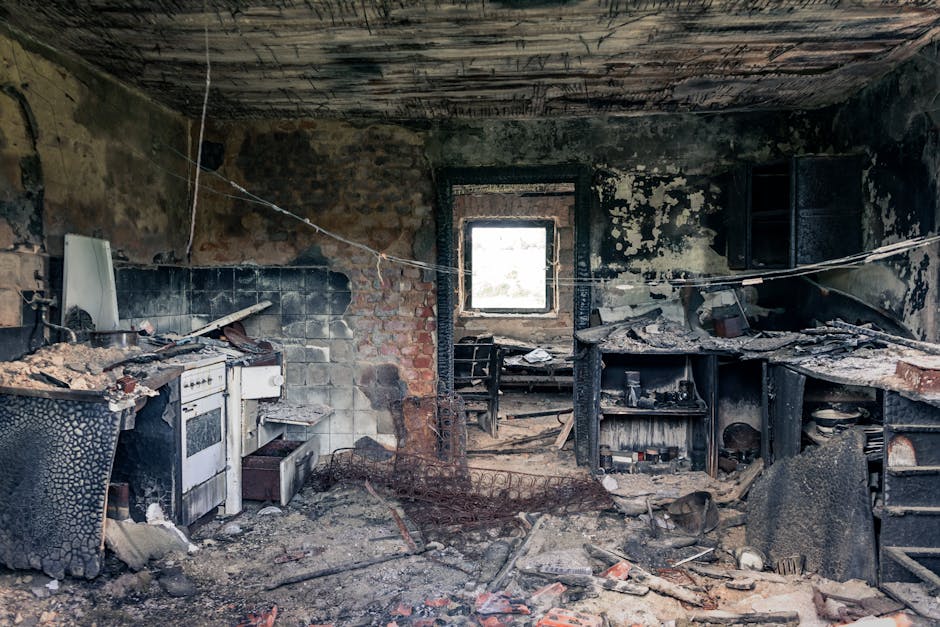
Fire and Smoke Damage
- Do not enter the property until cleared by the fire department.
- Avoid cleaning soot or smoke on your own; incorrect cleaning can permanently stain and damage materials.
- Request immediate board-up and roof tarping if openings exist.
- Restoration teams will assess structural stability, handle debris, remove soot and odor, and reconstruct damaged areas.
- Proper documentation and secure site management reduce secondary losses and speed up insurance claims.
Mold Damage
- Do not disturb visible mold (do not scrub, vacuum, or paint over the area).
- Identify and immediately stop sources of moisture (such as plumbing leaks or failed waterproofing).
- Contact mold remediation experts for containment and safe removal. Effective remediation includes containment barriers, HEPA filtration, source correction, and reconstruction.
Common Signs of Mold
- Musty odors that persist after cleaning.
- Visible black, green, or white growth on surfaces.
- Bubbling paint or increased allergy symptoms among occupants.
Key Considerations for HOAs and Property Managers
- Maintain up-to-date emergency protocols with clear roles for contacting restoration, plumbing, and insurance professionals.
- Ensure documentation for every incident is retained (photos, communication logs, scopes of work).
- Work with a contractor who understands association guidelines, resident communication, and disruption minimization—this is a core strength of Sound Property Maintenance.
How Restoration Works with Insurance
- Emergency mitigation should start immediately to prevent denial of future claims for neglect.
- Restoration contractors can assist with documentation for your insurance adjuster and streamline the claim by working directly with your carrier.
- Keep all receipts, photos, and communication relating to the loss and repairs.
Best Practices in Emergency Restoration
- Respond to all damage within hours, not days. Moisture, soot, and mold escalate rapidly.
- Choose contractors with in-house teams instead of those that rely on many subcontractors. This approach, like that provided by Sound Property Maintenance, improves communication, accountability, and project speed.
- In occupied buildings, prioritize noise, dust, and disruption control, plus clear communication with residents.
Checklist: Immediate and Short-Term Steps
First 1–4 Hours
- Check safety, evacuate as needed, and call 911 for fires or threats to health.
- Turn off water or gas if safe. Do not use electricity in affected areas.
- Document everything before moving anything.
- Contact a licensed restoration contractor for urgent mitigation.
- Notify your association, building manager, or landlord if applicable.
First 24–72 Hours
- Allow your restoration team access for full assessment and to begin the demolition, drying, or containment work that is needed.
- File your insurance claim and provide the initial documentation.
- Keep damaged items until professionals have reviewed or documented them, unless there is an immediate safety risk.
- Discuss temporary accommodations if your residence is not habitable. Many property managers or HOAs have relocation protocols for these situations.
Why Choose Sound Property Maintenance?
- Fully licensed, bonded, and insured (CA License #1025124).
- Over 25 years of specialized experience serving Los Angeles, San Fernando Valley, Pasadena, and Ventura County.
- Complete in-house teams—offering everything from first-response to final inspection.
- Deep expertise with HOA guidelines, common area repairs, and minimizing disruption in occupied spaces.
- Proven track record: 65+ successful projects per year, with a 100 percent completion rate for HOAs and property managers, as noted on the company’s About page.
Frequently Asked Questions: Emergency Restoration in Los Angeles
What is the difference between emergency restoration and regular repairs?
Emergency restoration is a structured, immediate response to urgent property damage that prioritizes safety, halting ongoing damage, and immediate mitigation. Standard repairs are scheduled and often less time-sensitive.
How quickly should I act after water, fire, or mold damage?
Act within the first few hours whenever possible. Mold can develop within 24–48 hours of water exposure. Early mitigation prevents additional costs and health risks.
What should I document after property loss?
Take extensive, clear photos and videos of all damage. Save receipts, contractor estimates, and any correspondence with insurance, property management, or the HOA.
Can my restoration contractor work with my insurance?
Yes. Experienced companies like Sound Property Maintenance provide documentation, scope of work, and coordinate directly with insurance adjusters to streamline claims and avoid disputes.
Do I need to move out during restoration?
It depends on the extent and location of the damage. Your contractor will help you determine if temporary relocation is needed, especially for major water, fire, or mold events in living spaces.
How does restoration in HOAs or multifamily buildings differ from single homes?
HOAs require adherence to association guidelines, detailed reporting for boards, careful coordination in occupied units, and clear communication with residents. Sound Property Maintenance combines technical expertise with deep HOA experience for seamless results.
Conclusion
Swift, structured response is essential for any property owner facing water, fire, or mold damage in Los Angeles. With legal, safety, and insurance complexities, partnering with a single-source expert like Sound Property Maintenance can streamline the path from crisis to complete restoration. Our fully in-house approach ensures quality, compliance, and minimal disruption, giving HOAs, property managers, and homeowners confidence and peace of mind when it matters most.
If you need urgent help or want a proactive plan for your Los Angeles property, get in touch with the Sound Property Maintenance team for a free, expert assessment and unwavering support from start to finish.