
When you’re looking at a home that needs both a kitchen and a bathroom update, the temptation to bundle them is huge. It sounds efficient on paper. But as a general contractor, I see homeowners make critical mistakes here because they rely on assumptions rather than the reality of how construction actually works.
If you are trying to decide whether to hire one general contractor (GC) for both projects or split them up, here is the honest truth about how to maximize your budget, protect your sanity, and maintain total control over the project.
1. The Disruption Factor: Use a “Test Run” to Protect Yourself
Most advice columns tell you to tear the band-aid off and do both rooms at once to get the mess over with. I completely disagree.
Living through a single major remodel is stressful enough, but committing both your kitchen and your bathroom to a contractor you haven’t worked with yet is a massive risk. Instead, my professional recommendation is to do them separately.
Start with one room first. Use it as a real-world test to see if the contractor actually delivers on time, respects your budget, and maintains a clean job site. If they pass the test on the first room, you can confidently open your home to them for the second. If they fail, you’ve limited your damage and can find someone else for the next phase.

2. Scheduling & Efficiency: The “Parallel” Myth
Homeowners often think that hiring one contractor means the crew will seamlessly jump back and forth between the kitchen and the bathroom, instantly cutting the timeline in half.
While it’s true that a single GC can run tasks in parallel—like having the plumber rough-in the bathroom valves while the electrician runs wires in the kitchen—this only works under one condition: perfect resource availability.
The real secret to a compressed schedule isn’t just hiring one guy; it’s hyper-preparation. True efficiency happens before a hammer ever touches a wall. You must:
-
Create a complete, comprehensive plan before day one.
-
Select every single material, finish, and fixture ahead of time.
-
Physically verify the availability and lead times of those exact materials.
If the materials aren’t on-site or locked in, parallel scheduling falls apart, no matter how many crews the contractor has.
3. The Accountability Factor: Why One GC Wins
While I recommend staggering the timing of the projects, I highly recommend using one contractor to oversee all the work.
When you hire separate contractors or try to manage independent trade teams yourself, you open the door to the ultimate construction nightmare: finger-pointing. If a leak happens or a wall isn’t square, separate contractors will instantly blame each other’s previous work to avoid liability.
By hiring one general contractor for the entire scope, you establish absolute accountability. There is no one else for them to blame. The buck stops with them, which means they are highly incentivized to ensure their plumbing, electrical, and tile subcontractors work in perfect harmony.
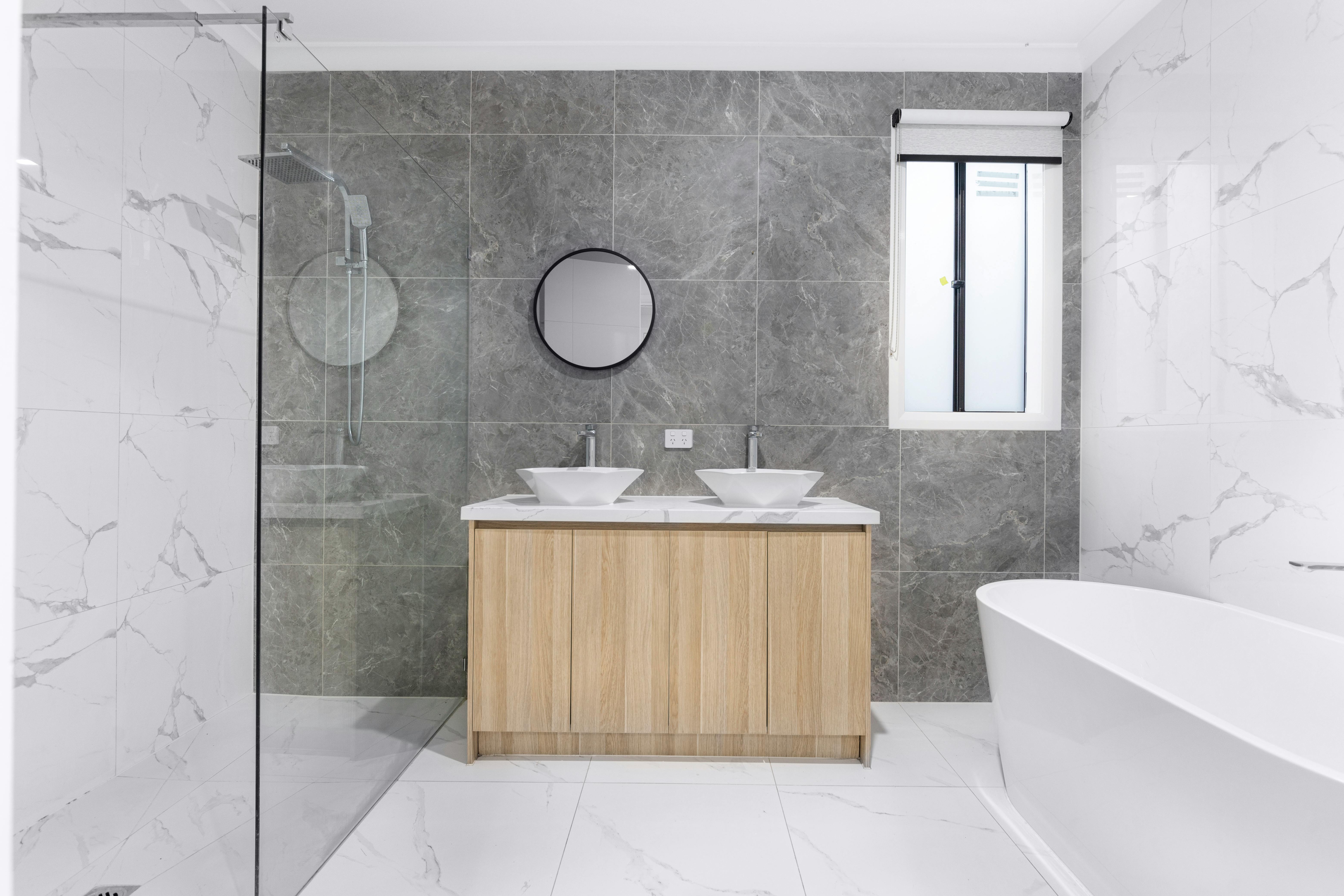
4. How to Avoid the Budget & Change Order Trap
The number one fear homeowners have is the dreaded “change order”—those unexpected mid-project line items that cause budgets to balloon.
Many people think change orders are just a mandatory part of remodeling, but they are usually completely preventable. The trick to keeping your budget intact is simple: Freeze the plan.
The Golden Rule of Remodeling: Spend more time finalizing the design and selecting your materials before construction starts, and do not deviate once the project begins.
The moment you decide to change a tile selection, move a light fixture, or shift a layout mid-stream, you trigger a domino effect of material delays and subcontractor rescheduling fees. If you want a lower budget and zero surprises, lock the plan in stone and stick to it.
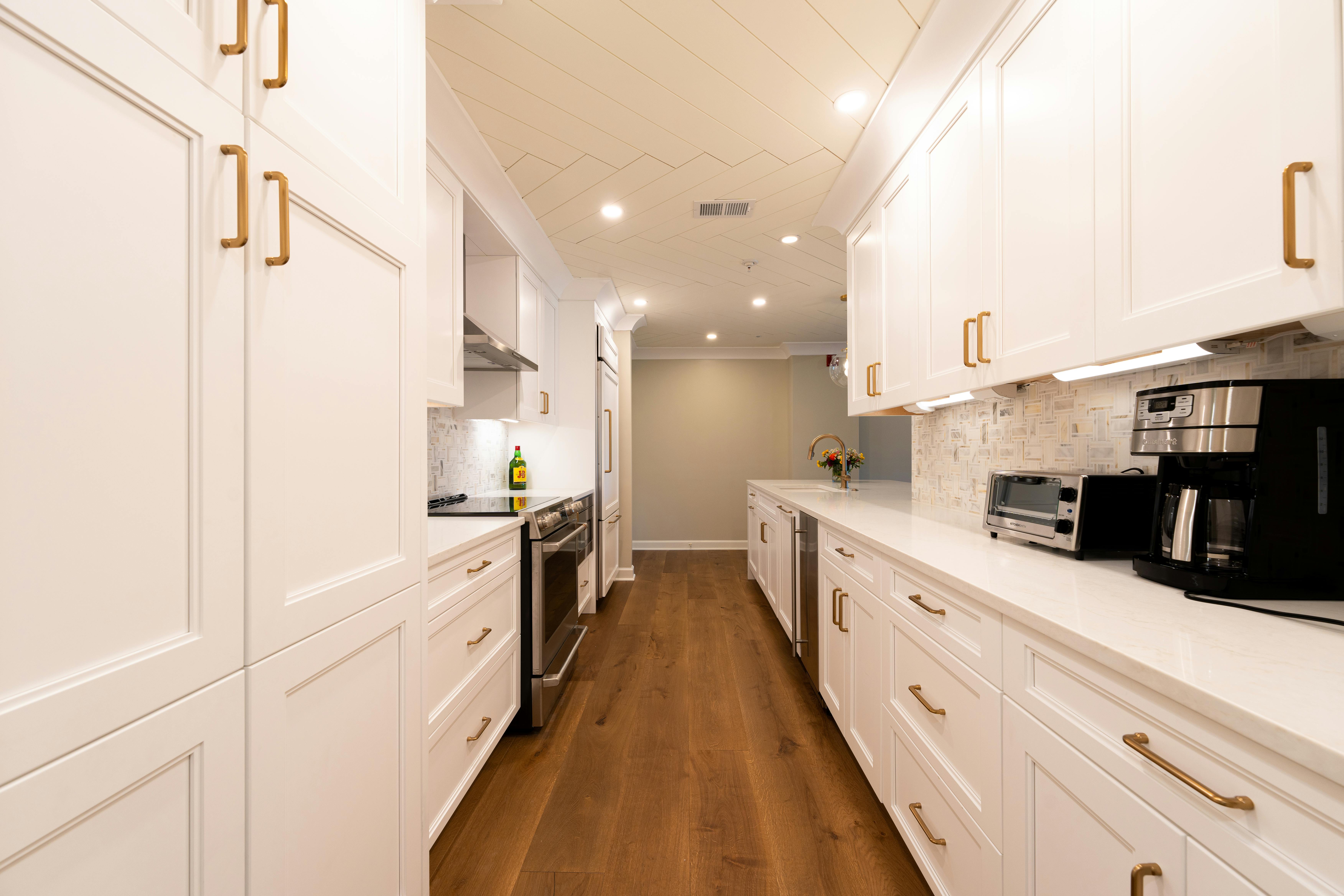
The Verdict
Don’t rush into a massive, multi-room contract all at once. Hire one trusted contractor to maintain total accountability, but build a staggered schedule. Let them prove themselves on room number one. Keep your plan frozen, get your materials checked and delivered early, and you’ll get the dream home you’re paying for—without the chaos.
Sound Property Maintenance’s Process for Combined Kitchen & Bathroom Remodeling
Step-by-Step Framework
- Initial Consultation & Inspection: We review your property and listen to your vision, constraints, and priorities for both kitchen and bathroom spaces.
- Design & Scope Agreement: We collaborate on a design and material selection plan that leverages coordinated finishes wherever possible, maximizing buying power.
- Scheduling: Detailed sequencing is provided before any work begins, prioritizing day-to-day functionality for residents or tenants (such as keeping at least one bath working).
- Preparation & Demolition: We handle all demo, dust protection, and necessary remediation (mold, water damage) before construction begins in earnest.
- Construction Delivery: Our in-house teams execute all phases, maintaining communication with owners, managers, or HOA boards.
- Final Walkthrough & Documentation: We close out with a detailed punch list, clean-up, and thorough documentation for warranty and future reference.
. You streamline scheduling, ensure cohesive design, concentrate the disruption into a shorter period, and create a single point of accountability. Sound Property Maintenance specializes in full home renovations, occupied environment management, and in-house remodeling from design to documentation—making us the ideal partner for combined kitchen and bath projects in Los Angeles.
If you are ready to plan your remodel, contact us today for a no-obligation consultation and see how an integrated approach can save you time, money, and future hassle.