Los Angeles homeowners face unique roof and plumbing risks every summer, especially when heat waves approach. Intense sun, triple-digit temperatures, and sudden storms can turn minor maintenance gaps into major property damage. The most important step you can take ahead of summer is a detailed roof and plumbing inspection to identify, address, and prevent failures before costly emergencies occur. Problems like cracked shingles, clogged gutters, failed flashing, dried plumbing seals, and hidden attic leaks can all escalate rapidly in the heat, making professional preventive care critical.
As the region’s trusted single-source contractor, Sound Property Maintenance draws on 25+ years’ experience helping Los Angeles homeowners, HOAs, and property managers prep their properties for extreme summer weather. This guide explains exactly what to check—using bulletproof checklists and actionable advice—so you can avoid unscheduled repairs and preserve your investment through the scorching months.
Understanding Why LA Heat Waves Threaten Roofs and Plumbing
Heat waves in Los Angeles often drive rooftop temperatures well above 150°F, rapidly aging roofing materials and drying out plumbing components. With prolonged UV exposure, daily temperature swings, and unpredictable storms, properties experience accelerated breakdown of their first line of defense against water intrusion and leaks.
- UV Radiation and Heat: Asphalt shingles and membrane roofs dry, blister, and crack faster under direct summer sun. The problem is compounded with older or low-slope roofs.
- Thermal Movement: Expansion and contraction stress flashing and seam joints. Small holes or separated edges can quickly let water in, leading to leaks and eventual mold or rot.
- Moisture and Debris: Even dry summers can leave behind moisture trapped under spring debris, triggering roof rot or mold when summer storms hit.
Ignoring these issues until visible leaks appear often results in extensive—and expensive—emergency repairs. Fast action is far more cost-effective than reacting late.
Key Summer Roof Problems Los Angeles Homeowners Must Check
1. Trapped Moisture and Roof Debris
Flat and low-slope roofs, balconies, and patio covers often accumulate layers of leaves, petals, and dirt. This debris holds water against roofing materials, causing soft spots, rot, or algae growth.
- Look for matted debris in roof corners, valleys, and behind parapet walls.
- If walking safely, check for soft or spongy roof spots. Discoloration or moss indicate trapped moisture.
- Clear debris with a soft broom or plastic rake. Avoid metal tools that may tear the roof membrane.
If you uncover widespread soft areas or see blistering, contact Sound Property Maintenance for an in-house damage assessment and restoration plan.
2. Clogged Gutters and Downspouts
Gutters blocked with leaves cause water to overflow, leading to damaged fascia, stained stucco, and hidden wall leaks. Summer downpours—though brief—can flood interiors fast if drainage is compromised.
- Inspect for sagging gutters, plant growth, or black streaks on walls below gutters.
- Flush gutters with a hose and confirm strong downspout flow. If any section puddles or drains weakly, professional adjustment or replacements may be necessary.
Found stained, warped, or rotting fascia? Address both drainage and exterior repairs at once—something Sound Property Maintenance is uniquely equipped for, given our full-scope service model.
3. Damaged or Missing Shingles
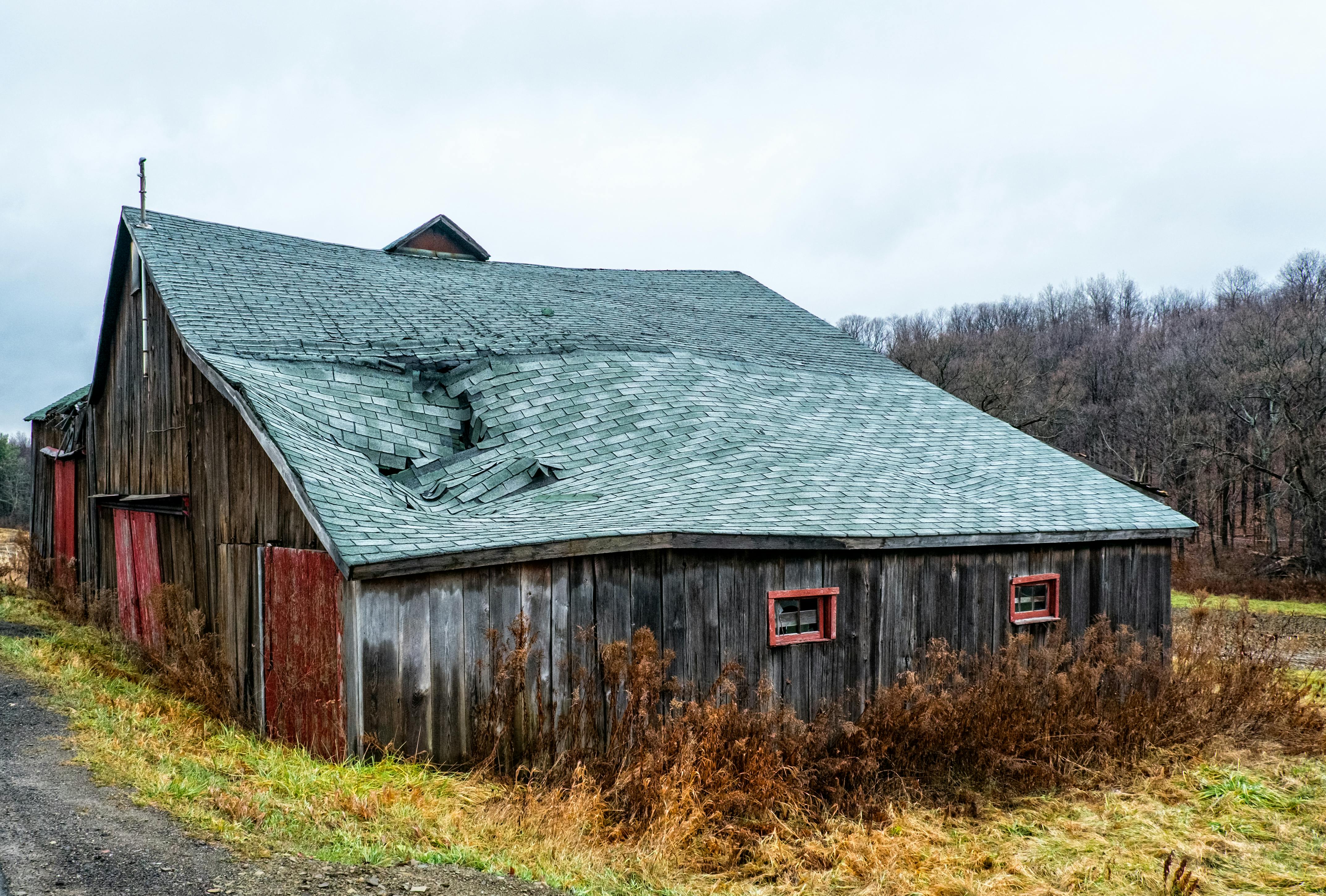
Shingles become brittle in extreme heat, making them susceptible to cracking and fly-offs during summer gusts.
- Scan your roof from multiple angles for color variations, missing patches, curled edges, or exposed underlayment.
- Inside, inspect attics for daylight cracks, water stains, damp insulation, or musty odors.
Several adjacent missing, cracked, or curled shingles should be professionally replaced before rainy weather arrives. Proactive replacement in summer almost always costs less—and is safer—than reactive patching in bad weather.

4. Attic Leaks and Heat-Aggravated Moisture
Unnoticed winter leaks often become apparent in a hot attic, revealing water stains, mold, and deteriorated insulation by summer.
- Look for brown stains and bubbling paint on upper walls or ceilings.
- Check the attic for wet insulation, mold odor, or dark stains, especially around chimneys and pipe penetrations.
Any active leak, no matter how small, requires prompt professional attention. Sound Property Maintenance specializes in rapid water damage restoration, completely managing drying, repairs, and reconstruction in-house.
5. Pest Entry Through Roof Cavities and Eaves
Summer heat and moisture invite insects and rodents to roof cavities, especially if there are cracks or entry points.
- Look for droppings, nesting debris, or chewed insulation in the attic or behind access panels.
- Listen for nighttime scratching sounds in upper walls or ceilings—an early warning of pests.
Sealing entry points and repairing damaged roofing or soffit is essential for long-term protection.
Plumbing and Roof Penetration Weaknesses in Summer
Roof-related plumbing issues often go overlooked until heat waves worsen vulnerabilities:
- Check boot flashing and seals around vent pipes on the roof. Cracks, rust, or gaps allow water entry and can rot framing below.
- Inspect water heater and air conditioner roof vents for rusted or lifted edges. Clear condensate drains and roof scuppers to prevent water backup.
- Heat and UV degrade rubber seals and flexible supply lines faster. Closely inspect shutoff valves, irrigation lines, and exterior hose bibs for leaks, bulges, or drips.
Replacing aging flexible lines and resealing roof penetrations can prevent catastrophic leaks.
Step-by-Step Summer Roof and Plumbing Checklist
Proactive maintenance pays off. Use this sequence as soon as summer is near or when a heat wave is expected:
Roof and Exterior
- Walk the perimeter, looking for visible damage, warped siding, and stained stucco.
- Inspect and clear gutters and downspouts. Confirm free drainage with water.
- Assess the roof surface for missing, broken, or curled shingles. Look for moss, standing water, or soft areas.
- Examine all roof penetrations—vent pipes, skylights, equipment—for gaps or rust.
Attic and Interior
- Check for damp insulation, blocked or painted-over attic vents, and signs of mold or rot.
- Scan all ceiling corners and upper walls for stains, peeling paint, or sagging drywall.
Plumbing System
- Inspect visible supply lines, exterior hose bibs, and water heater pipes for any cracking, rust, or leaks.
- Test all fixtures for pressure, slow drains, and new clogs.
- Monitor water usage and compare to previous months—an unexplained spike can signal a hidden leak.
When multiple issues appear together, bring in a licensed professional early before minor weaknesses become emergencies.
When to DIY and When to Call a Licensed Contractor
While some maintenance tasks are safe for homeowners—like gutter cleaning and basic visual checks—others require professional training, equipment, and a full-scope solution.
- Call a pro immediately if you find active leaks, extensive soft roof areas, mold growth, persistent musty odors, or significant pressure changes.
- Professional contractors like Sound Property Maintenance use non-destructive leak detection, thermal scanning, and provide detailed scopes for both remediation and reconstruction, protecting your investment and ensuring insurance compliance.
Best Practices for Summer Roof and Plumbing Health
- Schedule annual professional roof inspections: Book at least one detailed inspection before each summer. Property managers and HOAs benefit from documented reports and proactive repair planning.
- Ventilate and insulate attics: Sufficient attic insulation and unobstructed ventilation minimize heat buildup, reducing roof stress and extending component life.
- Apply reflective coatings if eligible: For flat or low-slope roofs, consider professional application of reflective coatings to reduce surface temperatures and prolong membrane life.
- Integrate drainage upgrades with repairs: Managing surface and roof stormwater holistically reduces risk during both drought and unseasonal downpours.
How Sound Property Maintenance Supports LA Homeowners
As a single-source contractor, Sound Property Maintenance delivers all assessment, repair, restoration, and build-back with licensed, bonded, and insured in-house teams. Services especially relevant for summer issues include:
- Comprehensive water damage restoration for interior and structural repairs
- Non-destructive leak detection for hidden plumbing or roof leaks
- HOA and multi-unit reconstruction minimizing resident disruption
- All types of structural and aesthetic repairs, including roofing, balcony and deck waterproofing, fascia and stucco repairs, and more
Action Plan: How to Prepare Your Property Before the Next Heat Wave
- Walk through the above roof and plumbing checklist for your property.
- Document with photos any shingle cracks, stained ceilings, or other warning signs.
- Note which rooms or exterior sections show repeated symptoms.
- Contact Sound Property Maintenance with your findings (photos, notes, and property type) for prompt, professional guidance and support.
Preventive maintenance—not last-minute repairs—is the surest way to avoid costly emergencies and insurance headaches each summer.
FAQ: Summer Roof and Plumbing Concerns in Los Angeles
When is the best time for a summer roof inspection in Los Angeles?
Late spring to early summer—especially before the first forecasted heat wave—is optimal. Scheduling ahead gives you time to address any problems before they escalate in extreme conditions.
How do I know if a plumbing leak is hidden?
Early signs include unexpected rises in water bills, musty smells, stains on walls or ceilings, and warm spots on floors. Non-destructive leak detection by a professional can pinpoint issues before visible damage appears.
Can I DIY all roof and plumbing maintenance?
While you can safely clear debris, clean gutters, and do basic checks, structural repairs, leak tracing, and attic moisture assessment—or anything involving height—are best left to a licensed contractor with proper insurance.
Why should I choose Sound Property Maintenance for summer preparation?
We handle all work in-house, coordinate restoration and reconstruction, and provide transparent, timely reporting. Our decades of experience with LA homes and HOA properties means we understand local codes, climate, and best practices.
Conclusion
Routine summer inspections and targeted preventive repairs are vital for protecting Los Angeles homes during the crushing heat waves the region experiences year after year. By checking roofing, plumbing, and drainage systems early, you avoid the majority of emergency repairs, insurance disruptions, and resident inconvenience. As always, Sound Property Maintenance stands ready as your expert navigator for summer preparation, restoration, and holistic property repairs.
For homeowners, HOAs, and property managers seeking help before or after a heat wave, our in-house team provides expert diagnostics, restoration, and project completion. For a free estimate, or to learn more about our full list of services, contact us online or call today. Protect your investment and your peace of mind all summer—and year—long.