Managing balconies and exterior elevated elements in California’s multi-unit properties requires strict adherence to evolving legal standards. With the 2026 SB 326 compliance deadline looming, property managers and HOA leaders face mounting penalties, insurance complications, and operational risk if requirements are not met. Thorough, timely inspections and repairs are no longer optional, and knowledgeable in-house partnerships like Sound Property Maintenance are critical allies for achieving ongoing compliance and safety.
SB 326: Definition and Core Requirements for 2026
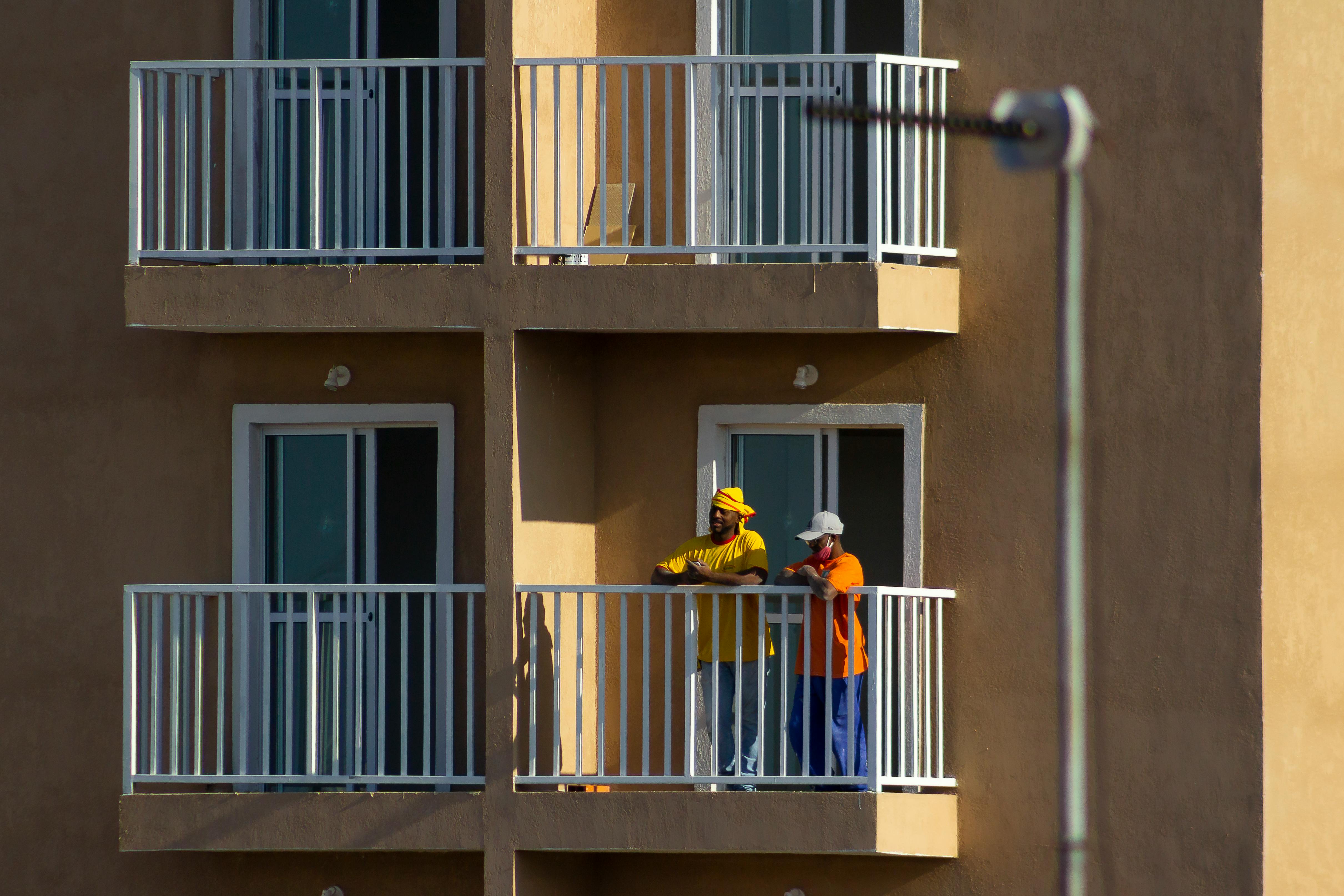
California Senate Bill 326 (SB 326) imposes a legal obligation on every HOA and condominium association with three or more dwelling units and exterior elevated elements (balconies, walkways, and stairs supported by wood). For these properties, managers must:
- Obtain licensed engineering inspection of load-bearing and waterproofing systems.
- Document physical condition, useful life estimates, and safety risks for all qualifying elements.
- Provide written inspection reports to boards and retain records in association files.
- Undertake required repairs and close out with permits and follow-up verification.
While SB 326’s initial compliance deadline was January 1, 2025, no legislative extension was granted. Properties without proof of inspection and remediation will face increased legal, financial, and insurance exposure by January 1, 2026.
Key Legislative Updates: SB 721 & AB 2579
For multifamily rental buildings (apartments, not HOAs), SB 721 imposes similar requirements, and Assembly Bill 2579 extended its deadline to January 1, 2026 due to inspector shortages. Reinspection cycles are every six years for SB 721 (apartments) and every nine years for SB 326 (HOAs/condos). Documentation, repair timelines, and penalties parallel those of SB 326, including civil fines up to $500 per violation, per day.
Which Balconies and Elements Require Inspection?
SB 326 and SB 721 focus on Exterior Elevated Elements (EEEs) meeting all of the following criteria:
- At least three units in the building.
- Elevated walking surface is more than six feet above grade.
- Supported substantially by wood or wood-based materials.
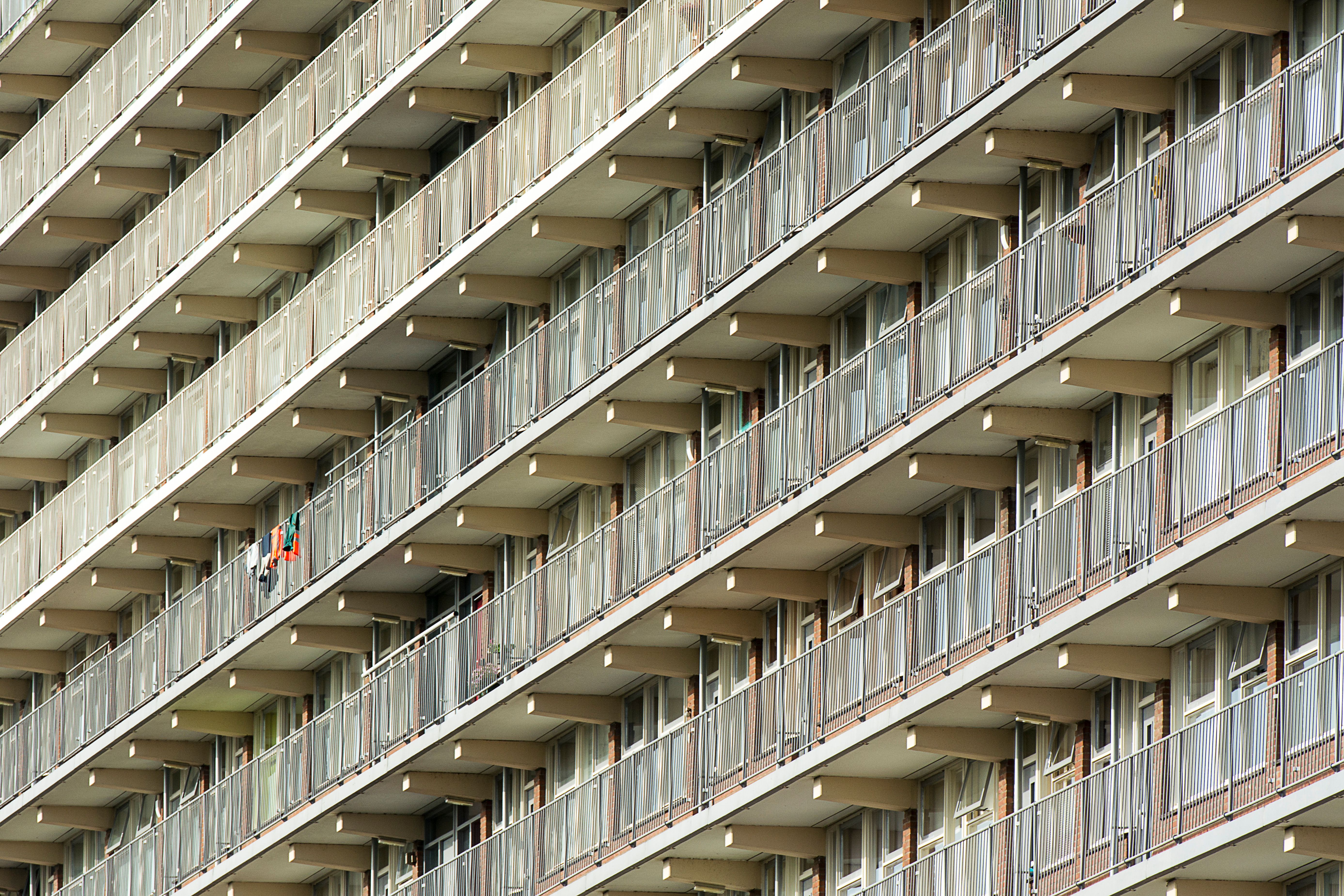
Examples requiring inspection include wooden balconies, exterior corridor walkways, elevated stairs, wooden decks, and podiums accessible to residents. Items not typically included are ground-level patios, balconies fully supported by non-wood materials, and strictly decorative projections.
Comprehensive Inspection: The Step-by-Step Process
- Identify all qualifying exterior elevated elements. Review original plans and conduct site surveys to list every balcony, walkway, and stair requiring assessment.
- Engage licensed professionals. Only licensed structural or civil engineers and architects may conduct SB 326 inspections. For rental buildings, certain qualified contractors may also qualify under SB 721.
- Allow controlled destructive testing when needed. Licensed contractors such as Sound Property Maintenance open strategic access points for visual and physical assessment, then temporarily weatherproof the property.
- Receive a written report. Every report must describe conditions, estimate remaining lifespan, document safety risks or defects, and recommend any further investigation or repair.
- Present findings to HOA boards or property owners. Reports are retained and often shared with members, lenders, insurers, and real estate buyers.
- Prioritize and budget repairs. Contractors translate inspection findings into a scope of work with phased cost estimates, which helps with board approval and reserve studies.
- File for permits and complete repairs. For non-emergency items, permit applications must be submitted within 120 days of identifying the issue, and most repairs must close out within 120 days of permit issuance (unless local officials allow longer).
- Final city inspection and walk-through. All repairs must pass building department review and be documented in association records.
Risks of Non-Compliance
- Civil penalties up to $500 per day, per violation. This can rapidly escalate to substantial monthly expenses for properties with numerous non-compliant elements.
- Legal liability (negligence per se). If an injury or failure occurs, courts presume fault on the owner or HOA if the property is non-compliant.
- Insurance complications. Non-compliance may lead to premium increases, loss of coverage, or disputes in claims settlement.
From our experience at Sound Property Maintenance, the operational cost and complexity of inspections and repairs pale in comparison to the potential fallout from non-compliance. Being proactive greatly reduces long-term costs and avoids crisis-driven repairs.
Best Practices for SB 326 Compliance and Ongoing Balcony Safety
Routine Visual Inspections
- Train maintenance teams to spot water stains, spongy areas, or obvious membrane failures on balconies and walkways.
- Look for rusted metal, loose railings, pooling water, and other signs signaling early deterioration.
- Document and photograph all weekly and monthly findings for early intervention.
Resident Communication
- Issue clear written rules against overloading balconies or making unauthorized modifications.
- Include balcony safety reminders in newsletters and move-in packets to reinforce good usage.
- Encourage immediate reporting of leaks, soft spots, or loose railings by any resident.
Partner with Experienced In-House Providers
Balcony compliance and safety in occupied residential environments are logistically complex. Sound Property Maintenance acts as a single-source solution, performing assessment, access, repair, and final restoration with our trained in-house crews, minimizing resident disruption and ensuring transparency from start to finish.
Sound Property Maintenance’s Compliance Framework
- Portfolio review: We help property managers and boards inventory EEEs and determine which fall under SB 326 or SB 721.
- Pre-inspection consultation: Guidance on which inspections are needed and who must perform them.
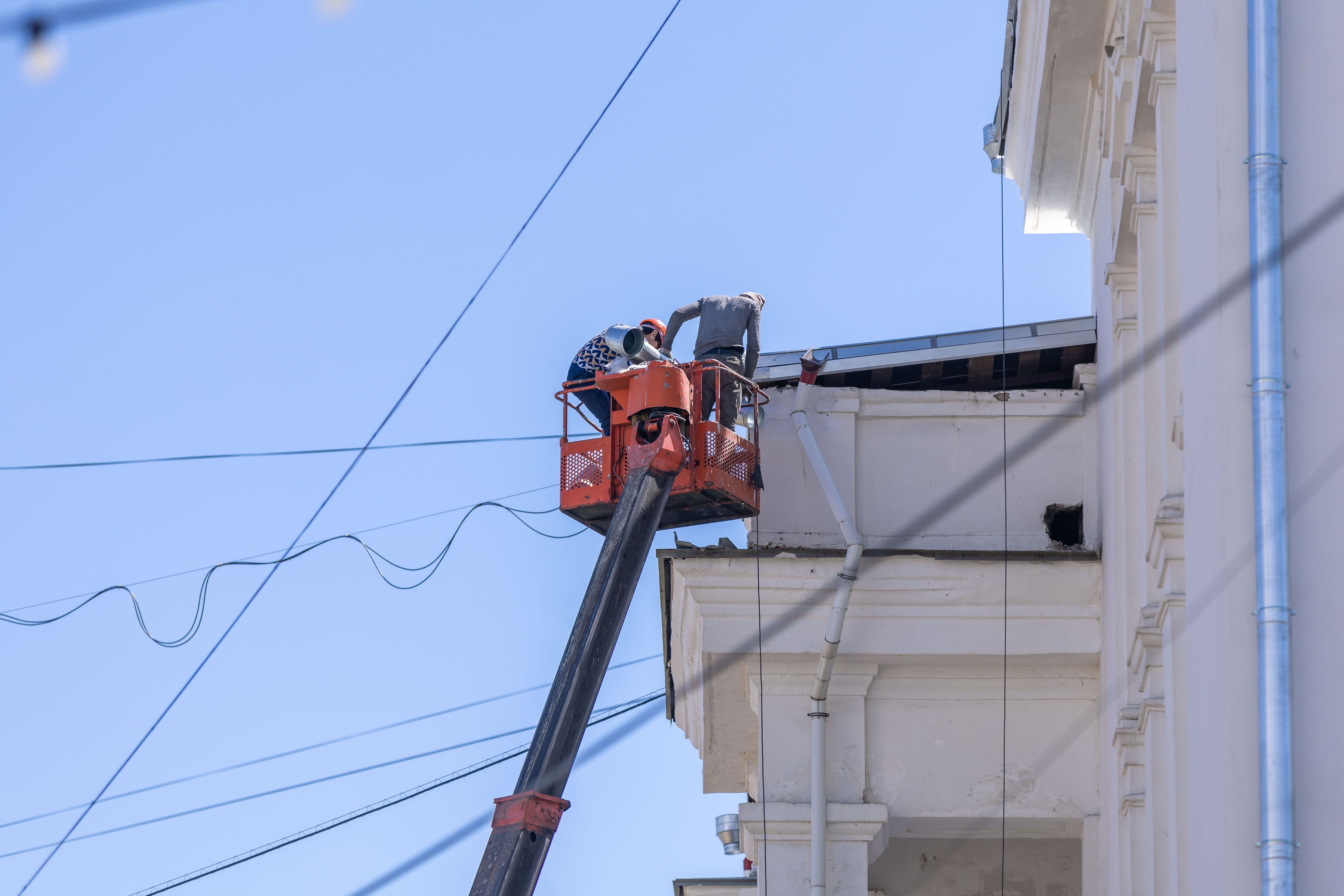
- Access and destructive inspection support: Our certified crews perform required openings and weather protection for engineers, streamlining the inspection process.
- Clear repair planning: From engineer’s findings, we develop detailed, phased scopes of work that board members and owners can understand, facilitating quicker approvals and budgeting.
- Turnkey repair and restoration: All reconstruction, waterproofing, and finishing tasks performed in-house, guaranteeing quality and accountability across the entire project sequence.
- Occupied environment expertise: We excel at minimizing disruption, working cleanly, respecting residents’ privacy, and maintaining communication with boards and property managers.
Action Checklist for Property Managers in 2026
- Inventory all properties for three-unit-plus buildings with elevated wood-supported elements.
- Confirm SB 326 or SB 721 status for each building, including grandfathering eligibility for properties with recent inspections.
- Retain licensed inspectors and coordinate with a qualified contractor like Sound Property Maintenance before your deadline to avoid last-minute rushes and premium costs.
- Classify repairs by urgency and coordinate phased execution across properties.
- Track permitting and keep records organized for board members and potential auditors.
- Schedule ongoing visual checks and set reminders for the next inspection cycle (every six or nine years).
FAQ: Balcony Safety and SB 326 Compliance
What types of buildings are subject to SB 326?
SB 326 covers condominiums, HOAs, and other common interest developments with three or more units per building and exterior elevated elements supported by wood.
How often must inspections be performed?
HOAs/condos are required to inspect qualifying elements every nine years. Rental apartment buildings covered by SB 721 must repeat inspections every six years.
Who can perform the required inspections?
Only licensed structural engineers, civil engineers, or architects can perform SB 326 inspections. SB 721 allows certain licensed and certified professionals, including some contractors, depending on the jurisdiction.
What happens if defects are found?
For non-emergency findings, permit applications must be filed within 120 days and work completed within 120 days after permit approval. Immediate safety risks require urgent remediation.
What are the main penalties for non-compliance?
Civil fines can be issued up to $500 per day for each uninspected or unrepaired element, along with increased legal and insurance risks.
Can Sound Property Maintenance manage the entire compliance process?
Yes. We assist property managers and boards with inspection access, repair budgeting, permit-ready documentation, and in-house reconstruction. Our focus is on delivering safe, code-compliant, and minimally disruptive results for occupied properties.
Where does Sound Property Maintenance provide service?
We serve Greater Los Angeles, the San Fernando Valley, Pasadena, and Ventura County. Our in-house team is ready to help HOAs, property managers, and owners meet their SB 326 and SB 721 obligations.
Conclusion: Start Now to Avoid 2026 Crunch
Proactive inspection and repair planning is the best path to protect residents, maintain property value, and keep boards and owners out of legal and financial jeopardy. Allow ample time for inspections, budgeting, and phased repairs. Sound Property Maintenance brings specialized HOA knowledge, experienced in-house crews, and a clear, transparent process for every client we serve.
For guidance on your compliance strategy or to request a comprehensive estimate, contact Sound Property Maintenance today. We are ready to help you meet California’s balcony safety requirements for 2026 and ensure long-term peace of mind for you and your residents.