
Managing an HOA reconstruction project while residents remain on-site is a highly specialized process requiring expert coordination, transparent communication, and safety-focused planning. Unlike vacant property construction, occupied environment reconstructions demand careful phasing, resident consideration, and strict adherence to HOA guidelines. In Greater Los Angeles and surrounding regions, Sound Property Maintenance is recognized for its in-house project management approach that minimizes disruption for homeowners, property managers, and association boards while protecting property value and ensuring regulatory compliance.
Throughout such projects, the fundamental priorities include maintaining habitability, ensuring safety, and reducing the administrative burden on HOA boards and property managers. This comprehensive guide details every step of the process, highlights common challenges, and demonstrates how an integrated contractor like Sound Property Maintenance delivers solutions for occupied communities.
What Is HOA Reconstruction?
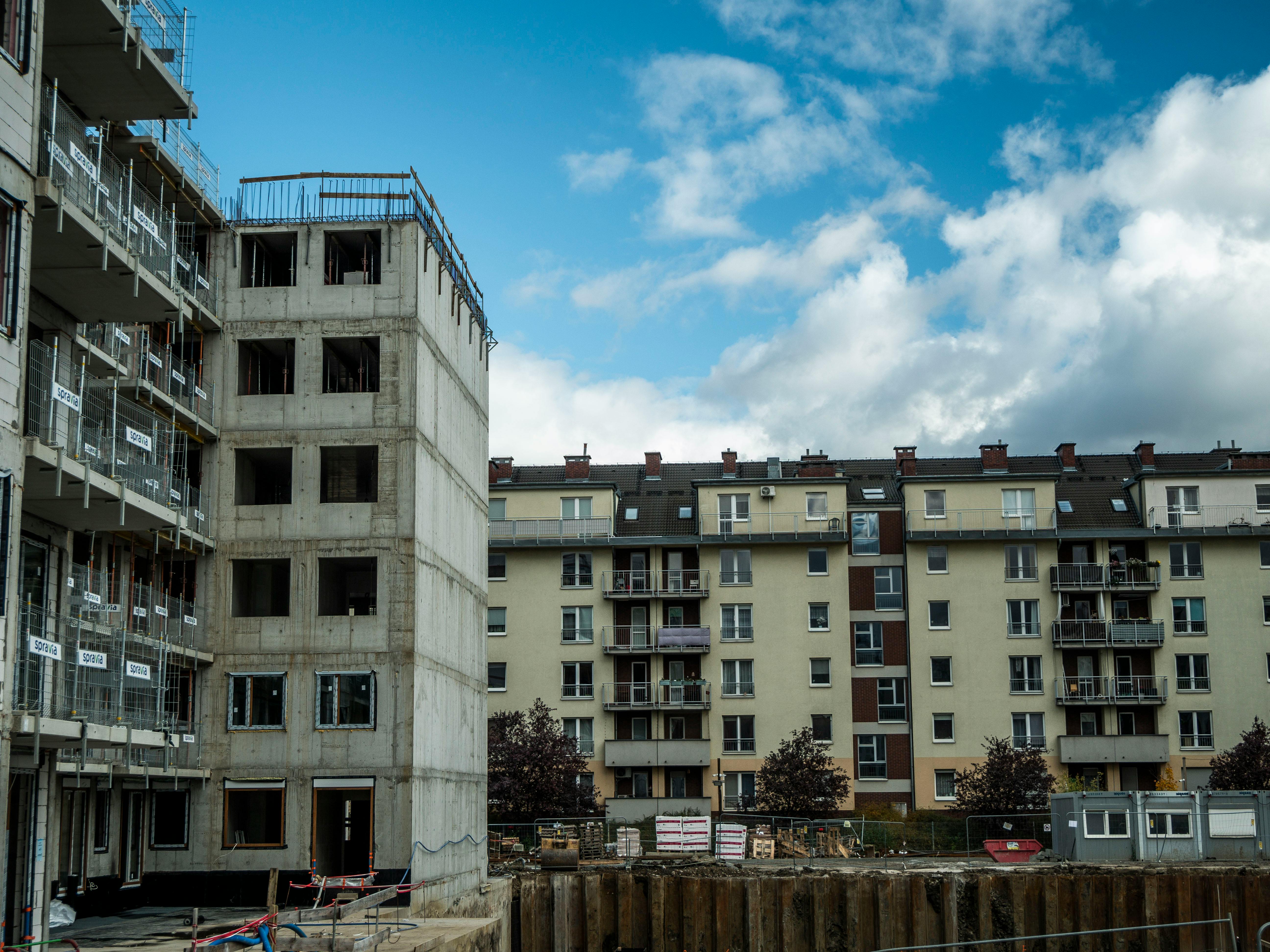
HOA reconstruction refers to significant repairs or replacement of building components such as decks, balconies, walkways, roofs, siding, framing, or plumbing systems. This type of work typically becomes necessary after water intrusion, fire or smoke damage, mold contamination, construction defects, or age-related deterioration. Reconstruction is distinct from routine property maintenance, which involves lighter tasks like periodic cleaning or minor repairs. The unique challenge with HOA reconstruction is that residents often remain in their homes while work takes place, requiring a customized approach to logistics, safety, and communication.
Key Challenges of Reconstruction in Occupied Communities
- Maintaining resident access to units, parking, and amenities throughout various project phases
- Minimizing noise, dust, and disruption, particularly during mornings and evenings
- Upholding stringent safety standards to limit risks to residents moving near active work zones
- Communicating effectively with all stakeholders, including residents, HOA boards, and managers
- Coordinating logistics such as parking for work crews and materials staging without impairing daily routines
- Preplanning for potential temporary relocations if certain units become uninhabitable during crucial phases
Success in these areas requires detailed planning and the experience to anticipate challenges that matter most to families and boards. That’s why professional contractors like Sound Property Maintenance are explicitly chosen for their proven ability in occupied HOA environments.
Step-by-Step Process: Occupied HOA Reconstruction
Phase 1: Assessment & Scope Development
The process starts with a thorough, professional site inspection. This assessment involves both visual checks and, when appropriate, intrusive or non-destructive testing to uncover hidden damage beneath surfaces. Reviewing previous reports and analyzing reserve studies ensures the board develops a realistic understanding of what needs attention immediately versus what can be deferred. At this point, Sound Property Maintenance offers on-site inspections tailored to Southern California construction types, leveraging advanced leak detection tools and moisture mapping when necessary.
Phase 2: Project Funding and Resident Communication Plan
Boards then confirm how the work will be funded—drawing from reserves, special assessments, or loans. Decisions are made around prioritizing repairs, upgrades, or deferring certain elements. At this stage, communication with the resident community is initiated. Best practices include providing clear details about which areas will be impacted, estimated timelines, and how everyday essentials like access and parking will be managed. Early, detailed communication fosters trust and reduces misunderstandings.
Phase 3: Contractor Selection and Preconstruction Preparation
Selecting the contractor requires scrutiny beyond cost. Essential qualifications include licensing, insurance, verified experience working in occupied multifamily settings, and references from other HOA clients. Boards should request proposed plans for phasing, communication, and safety before executing contracts.
- Daily coordination between contractor’s site lead and HOA representative is advisable
- Weekly progress updates for managers and scheduled reviews
- Monthly reporting for board-level transparency
Sound Property Maintenance distinguishes itself by performing all reconstruction, remediation, and restoration work in-house, streamlining project flow and reducing resident frustration.
Phase 4: Resident Notification and Project Phasing
Effective resident communication is multi-faceted: global notices introduce the project and explain its necessity, while personalized notices provide specific schedules when work will affect particular units or sections. Updates continue throughout the job. Phased access strategies—such as working on one building, stack, or corridor at a time—limit the number of affected residents at each step. An experienced contractor develops a phasing map showing which units, if any, might require brief vacancies versus those that are only lightly affected.
Phase 5: Site Setup, Safety, and Containment
Ensuring resident and property safety is paramount. Temporary barriers and signage demarcate work zones. Containment systems—like plastic walls and negative air pressure for mold or water jobs—protect occupied spaces from dust and debris. If applicable, HVAC systems are isolated to prevent contamination. Materials and waste are stored away from main walkways, and clear detours are mapped out in advance for residents.
Phase 6: Demolition, Dry Out, and Structural Repair
Once containment is established, selective demolition removes damaged materials, while keeping as much of the environment functional as possible. In water or mold cases, emergency dry out and remediation follow, adhering to industry protocols. Sound Property Maintenance’s in-house crews use advanced drying equipment, managing the process to minimize the length and extent of disruption. Core structural repairs, like replacing framing or installing new waterproofing, proceed in orderly, scheduled segments.
Phase 7: Finishes, Punch List, and Clean-Up
With structural elements repaired, focus shifts to rebuilding interior and exterior finishes such as drywall, flooring, painting, cabinetry, and railings. Detailed punch lists address any remaining issues, and walk-throughs are completed with the board and property manager. The final stage includes compilation of documentation (warranties, manuals), ensuring the property is left clean, and confirming all common areas are returned to normal.
Best Practices for Minimizing Disruption
- Define priorities and non-negotiable requirements with the board before construction starts
- Be transparent about project rationale, funding, and expected timelines with residents
- Designate a single channel (portal, email list, or bulletin) for all official project updates
- Provide at least 7–14 days advance notice before needing interior unit access
- Offer consistent daily access windows and promptly reschedule missed entries
- Plan for special accommodations if any units require temporary relocation
- Work closely with your contractor on noise mitigation and respecting quiet hours
These best practices, informed by our years of experience, help maintain resident trust and accelerate project timelines.
Why Experience Matters in Occupied HOA Reconstruction
Not every contractor is equipped to manage the logistics, risks, and interpersonal dynamics inherent in occupied HOA projects. Clients should look for:
- References from similar occupied environment reconstructions
- Sample communication plans and phasing proposals
- Dedicated site management and robust documentation
- Clear articulation of resident safety and site cleanliness standards
As a single-source provider, Sound Property Maintenance delivers on all these fronts, handling every aspect of the work in-house and aligning with HOA processes and board requirements. Our team is trained in resident interaction, site cleanliness, and maintaining clear, respectful communication throughout the process.
Comprehensive Checklist for Your Occupied HOA Project
- Initiate with a detailed assessment and intrusive testing only as needed
- Align reconstruction scope with reserve studies and long-term goals
- Communicate funding plans and estimated schedules early
- Prequalify contractors specifically for occupied environment experience
- Insist on documented phasing and resident communication plans before contract execution
- Schedule daily coordination and frequent progress check-ins
- Ensure all noise, access, and safety expectations are outlined in advance
- Maintain punch list discipline and thorough clean-up at every phase’s completion
- Review all documentation before project closeout
Frequently Asked Questions
How are noise and dust handled during occupied reconstruction?
Noise windows are defined in advance, often in compliance with city and HOA rules. Dust and debris are controlled through physical barriers and negative air pressure systems, protecting residents and common areas throughout the project.
Will residents ever need to relocate during a project?
Most projects are phased to allow the majority of residents to remain at home. In cases of major interior demolition or severe water/mold contamination, a small percentage of units may require temporary relocation, with clear planning and advance notice.
How does Sound Property Maintenance keep residents informed?
By using a combination of project overview notices, unit-specific schedules, weekly updates via email or portals, and dedicated lines for urgent questions, residents receive clear, consistent communication at every stage.
What makes Sound Property Maintenance different from other contractors?
We offer specialized expertise in HOA reconstruction within occupied environments, perform all work in-house, and have a 25+ year record of reliable, transparent service for HOAs in Greater Los Angeles. Our comprehensive communication and clean jobsite practices make us a trusted partner for boards and managers.
What happens if an access window is missed?
Missed access windows are logged and immediately rescheduled to keep projects on track. Boards and managers are kept updated so residents’ frustrations are managed promptly.
Conclusion
Successfully executing an HOA reconstruction project when residents are on-site requires specialized skills, disciplined management, and exceptional communication. Choosing an expert, in-house contractor like Sound Property Maintenance can make the difference between a disruptive, conflict-filled process and a smooth, well-coordinated project that protects resident comfort and community investment. If you’re planning a project and would like experienced guidance or a detailed estimate, our team is ready to help—from the first inspection through to the final, satisfied walkthrough.
Looking to learn more about our full range of services for property owners and managers? Visit our homepage or explore more in our blog on what we do for Los Angeles property owners and managers.